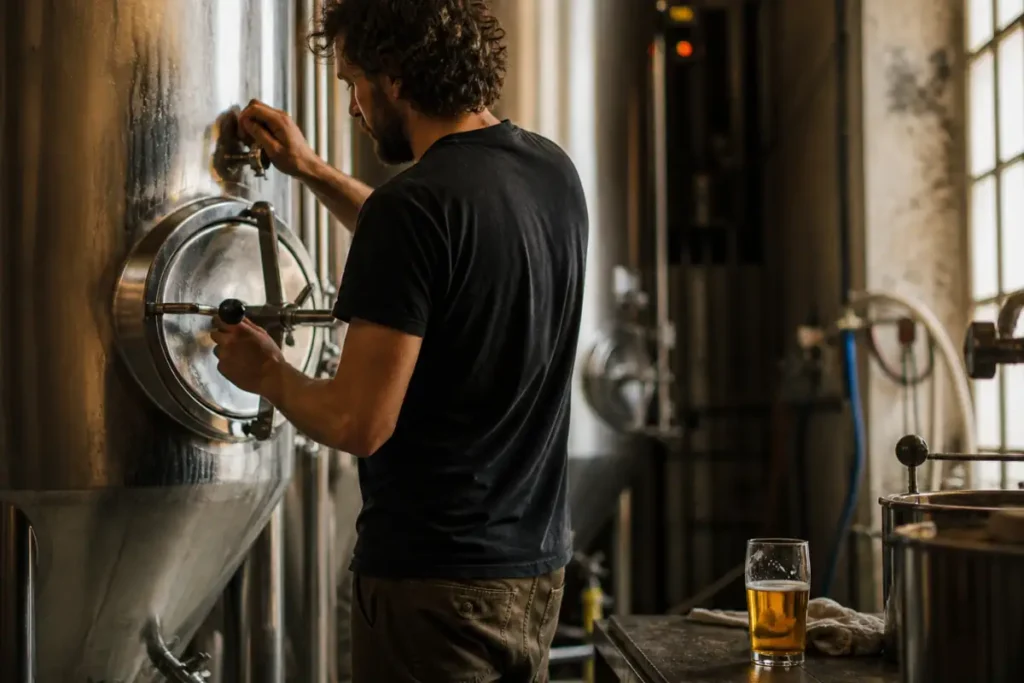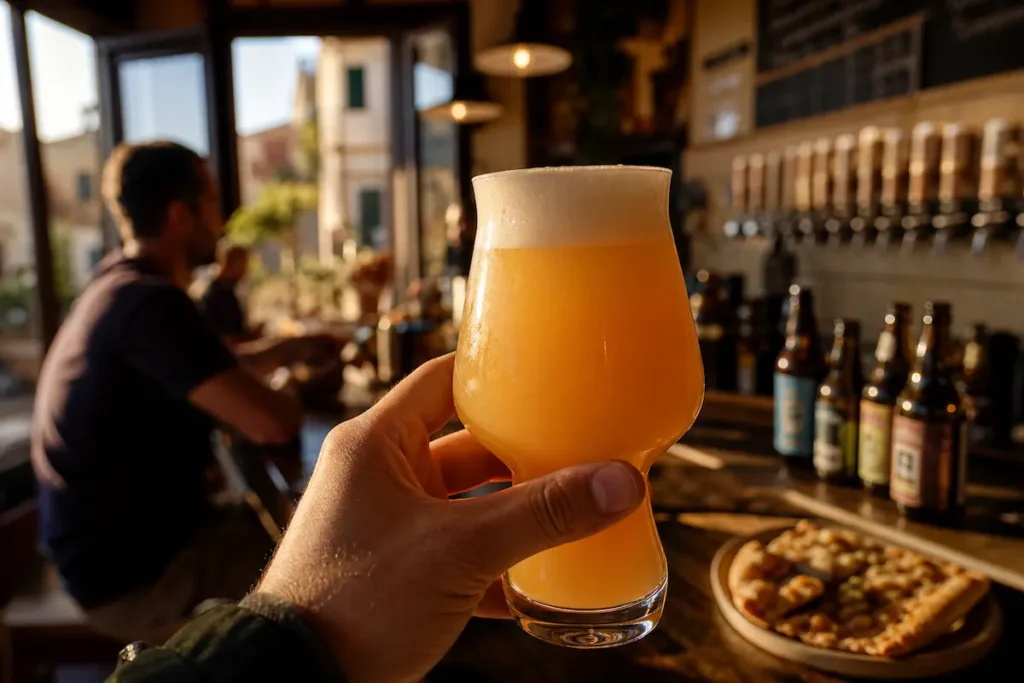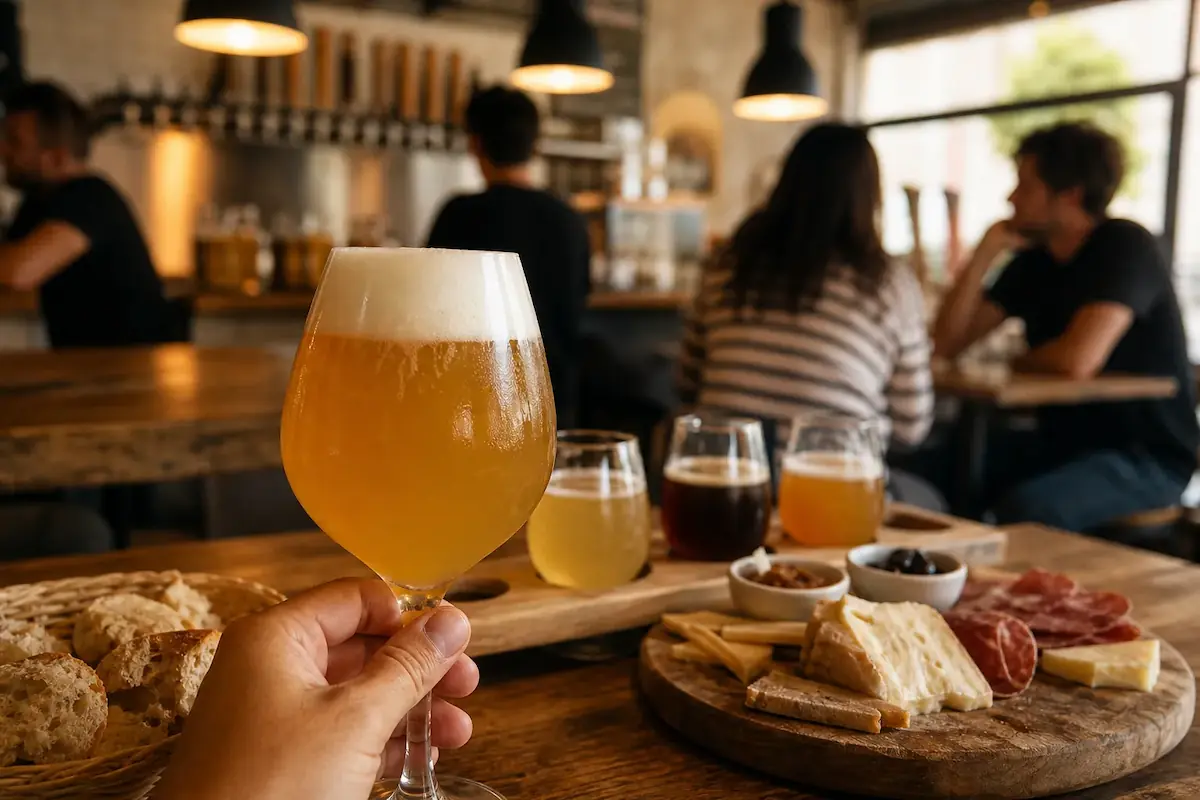
When someone asks us where to start with craft beer in Treviso, the answer takes longer than we would like. Not because the scene is complicated, but because it is scattered. The breweries are not in the city centre: they are in Conegliano, in Motta di Livenza, inside an eighteenth century villa wing in Vedelago, in a hill village called San Martino di Colle Umberto. You get there by car, one at a time, usually driving past Prosecco vineyards on the way. Inside the city walls you will find places to drink craft beer, but not places that brew it.
This is the province we know best, partly because it is the closest one to home. Over the last few years we have gone back many times, sometimes on purpose, sometimes because we happened to be passing through. This article is the result of those trips: seven breweries we have actually been to, what we drank, and what stayed with us. Plus an honest list of the ones we still have not reached.
Contents
Treviso and wine: coexistence, not competition
Why the local beer scene goes unnoticed
Say “Treviso” and most people think of Prosecco from the Conegliano and Valdobbiadene hills, of Raboso, of small plates in an old osteria. Fair enough: the wine context here runs deep, and the Prosecco hills have been a UNESCO World Heritage site since 2019. It is hard to stand out next to a name like that.
The result is that craft breweries in the Treviso area work quietly. It is not a lack of quality, it is a lack of noise. Many of these producers have been going for ten, fifteen, twenty years, with a loyal local following, and have never spent much on getting the word out. You find them because someone mentions them, or because you drive past.
What we noticed driving around
Two things stood out. The first is how many of these breweries have a space open to the public. That is not a given: plenty of Italian microbreweries just produce, and you only ever meet their beer in a bottle. Here you find real brewpubs, places where you sit down, eat something, and work through four or five beers on tap before deciding what to take home.
The second is the variety. There is no recognisable Treviso style, the way certain parts of the world have one. There is a well made IPA here, a surprising stout there, a wheat beer worth the drive somewhere else again. It is a scene built on individual choices rather than a shared school. If you like exploring, that is a good thing.
The breweries in the province of Treviso we have been to
Bradipongo, in San Martino di Colle Umberto
Bradipongo is a microbrewery with a brewpub attached, meaning they brew on site and serve it in their own space. It sits in San Martino di Colle Umberto, up in the hills in the northern part of the province.
Their IPAs are the main reason we keep going back. The Bradipa is a straightforward, well built IPA, the kind that does not surprise you but never puts a foot wrong. The Steeka, an American IPA, is another matter: full of flavour and remarkably aromatic, one of those beers you order and then keep reordering without quite noticing.
If IPAs are not your thing, the Minela is their blanche, the light, lightly spiced Belgian style wheat beer. Softer, more citrusy, and a good option if you are only just getting into craft beer.
Zuppa di Sasso, in Motta di Livenza
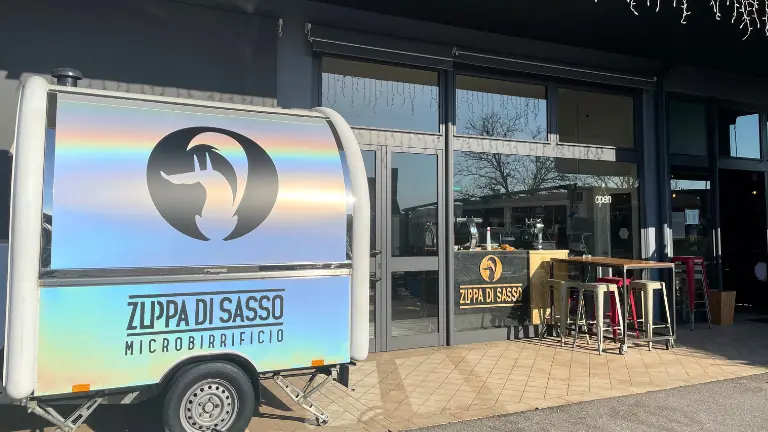
Zuppa di Sasso is also a microbrewery with a brewpub, over in Motta di Livenza, in the eastern part of the province, close to the border with Friuli Venezia Giulia.
We ended up there almost by accident and spent the evening on the Tap to Start, a session IPA at 3.8%. A session IPA is a lighter, more drinkable version of a regular IPA: less alcohol, less bitterness, the same aromatics. This one is exactly what it should be, light and full of flavour at once, and we drank it all evening without getting tired of it. If you are still not sure whether you like IPAs, it is a good place to begin.
At the same strength but in a completely different direction, there is the In My Mild, also 3.8%. Mild is an English style you rarely meet in Italy: dark in the glass but light in body and alcohol, malt forward, with the hops barely there. This one leaves a toffee note behind, coffee and caramel together, and it lingers pleasantly. If you like stouts and porters but do not want anything heavy, this is the one to ask for.
We took a few bottles home to try properly, and among them was the Yurei Haze, a NEIPA at 6.5%. NEIPA stands for New England IPA: hazy, soft, very fruity, with low perceived bitterness. It genuinely surprised us, thick and with a cloudiness that leaves no doubt about which style you are drinking.
Then there is the F**k Beer Beep, their APA, or American Pale Ale, the lighter and more balanced cousin of the IPA. Old gold in colour, hazy, with a generous and persistent white head. The nose is floral, with clear honey notes. In the mouth there is a light acidity, a restrained sweetness, and a bitterness that builds towards the finish. Low carbonation, medium body, a dry close with an almost rough texture. A beer that stays with you.
LZO, in Conegliano
LZO is the brewery whose approach surprised us most. They are relentlessly inventive: new beers all the time, and the list changes often. Come back a few months later and you will find things that were not there before.
The space in Conegliano deserves its own mention. It manages to be modern and vintage at the same time, and simple with it: no staging, no chasing an effect. One of those places where the attention is entirely on what is in the glass, and the room supports it without getting in the way.
If you like dark beers, the Pogue Mahone is where to start: a dry stout at 4.8%, meaning a dark, dry beer with roasted notes. On the palate it reminds us of iced coffee with a square of dark chocolate alongside. Do not let the colour put you off, it is far lighter and easier to drink than it looks, and it works well as the first stout of your life.
If dark is not for you, ask for the Holi, a session IPA at 3.8%. The aroma hits you first and it really is something, and then the tropical fruit arrives, with a lightness that does not wear you down. Two beers at opposite ends, both good as a first glass.
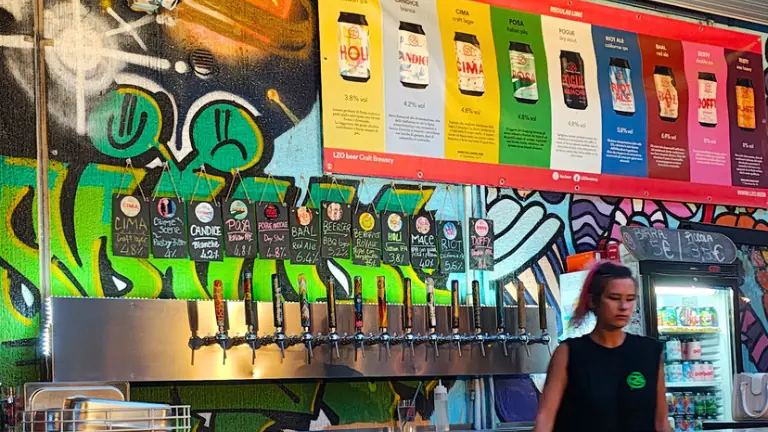
That said, the best advice at LZO is not to decide before you arrive. There is almost always something seasonal on tap, it changes constantly, and often the most interesting thing of the evening is the one that was not on the plan.
La Rü, in Cornuda
Birrificio Artigianale La Rü is at via Bosco del Fagarè 4, in Cornuda. Bosco Fagarè is the local reference point, and this is one of the breweries we follow most consistently in the whole province: their range is among the most interesting we have found nearby.
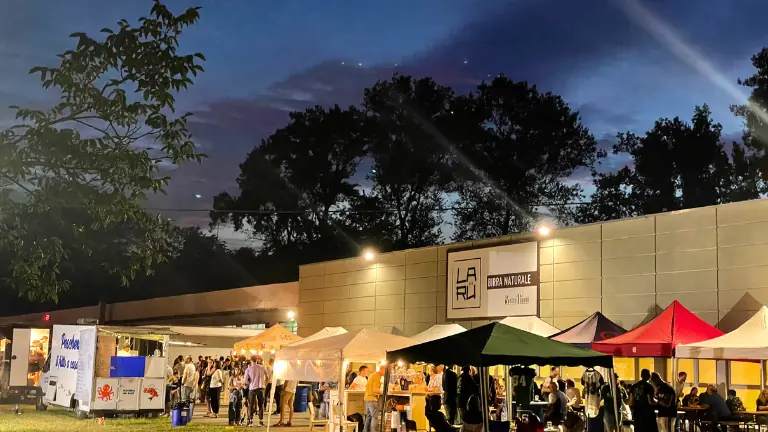
On the hoppy side there are three quite different interpretations. The New England IPA is soft and aromatic, as a well made NEIPA should be. The American IPA Fresh Hops, available in cans, carries the fresh, immediate aroma of just harvested hops in every sip. The LINFHA is an English inspired IPA, dry hopped with American varieties: tropical fruit, grapefruit and grassy notes on the nose, a malty body and a bitter but elegant finish, at 6.8%. Their APA, the Bruma, is a good example of a clean, well built APA, with hints of caramel on both the nose and the palate, faithful to the style without being academic about it.
If you prefer something lighter, the Nysa is their lager and the Ten is a gluten free Helles. Helles is a pale German lager, soft and barely bitter, made to be drunk without thinking too hard about it. The Thymus, meanwhile, is their blanche.
Birrificio San Gabriel, in Levada di Ponte di Piave
Birrificio San Gabriel is our fixed reference for weizen in the Veneto. Weizen is the Bavarian wheat beer, with those distinctive banana and clove aromas that come from the yeast rather than from anything added.
And we do not say that second hand: we go back specifically for their weizen. Sometimes it is the whole reason for the trip, sometimes we stop in when we are in the area for something else, but the result is always the same, a glass that justifies the detour.
If weizen intrigues you and you have never tried one, this is the place in the province to start.
Casa Veccia, in Camalò di Povegliano
Casa Veccia is at via Povegliano 45, in Camalò, and it is one of those breweries almost nobody calls by the brewery name. Around here people say Ivan Borsato birraio, “Ivan Borsato, brewer”, because that is how the microbrewery presents itself everywhere, on its site and on its channels: the person’s name ahead of the company’s. Which tells you something already.
On Casa Veccia we have to be honest: we have been, but a long time ago. What stayed with us is that the beers were genuinely good and that the place is lovely, with a pleasant outdoor space and a well kept atmosphere. What we cannot give you are precise tasting notes, because it would not be right to describe flavours we do not remember exactly.
Casa Veccia is at the top of our list of places to go back to, and once we have, we will update this section with what we actually drank. In the meantime, if you get there before we do, we would like to know what you ordered.
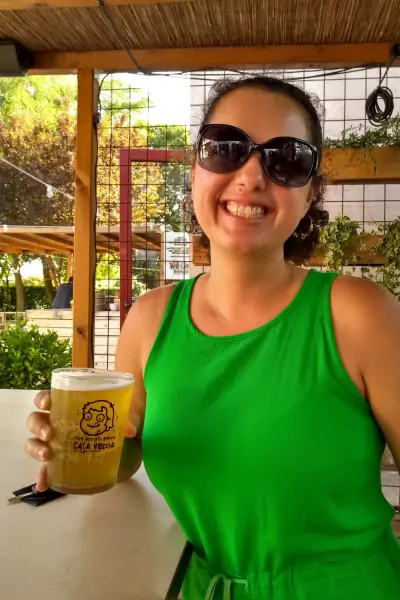
Birrificio Barch, in Barcon di Vedelago
Barch is the most striking setting on this list, and not by design: the brewery sits inside the barchessa of Villa Pola, in Barcon di Vedelago, at via Battaglione Sandro Pomini 3. A barchessa is the long, arcaded side wing of a Venetian country villa, historically used for storing farm equipment and produce. This one dates from 1718, designed by the Venetian architect Giorgio Massari, and was restored in 1998 with the Soprintendenza delle Belle Arti, the Italian heritage authority. Drinking a craft beer inside it is quite an experience.
The place is enormous and genuinely beautiful, with a large park around it, and the service when we went was good. It is a brewpub where you can also eat, so it works better as a long stop than as a quick tasting.
Of their beers we tried L’Originale, an IPA, and the Beerded, a session IPA. But the one that struck us most was a 2.5% beer on tap that was not even on the list: a seasonal, extremely light, the kind you do not expect to find in a brewpub and that makes you realise how much work goes into low alcohol brewing. If you go, ask what seasonal they have on tap that day. That is the piece of advice we would give with the most conviction.
Other breweries in the province of Treviso worth keeping an eye on
The province does not end here, and it would be dishonest to pretend we know all of it. These are the names on our radar, with what we know and what we do not.
32 Via dei Birrai, in Pederobba. This is the Treviso name with the strongest national reputation, founded in 2006 by agronomist Fabiano Toffoli and known for precise, recognisable hoppy beers. We came to them from a completely different direction: years ago a friend gave us a bottle of their Nectar, a beer made with chestnut honey. A distinctive taste, genuinely good, one of those surprises that makes you want to know who is behind it. One important thing to know: 32 Via dei Birrai has no taproom and does not run visits. Their beers turn up in beer shops, wine shops and selected restaurants, so this is a brewery to drink rather than one to visit. The rest of the range is still ahead of us.
Birra Follina, in Pedeguarda di Follina. It sits in the heart of the Prosecco hills, and the location alone is reason enough to be curious. We know they run guided brewery visits with a tasting, by appointment. We have not been yet, so we will not tell you anything more: when we go, we will write about it.
Birrificio 17, in Castello di Godego. They make the Merla, an IGA, or Italian Grape Ale, the Italian style that uses grapes or grape must in the beer. The Merla is made with Merlot grapes, with red fruit, a medium body and a vinous finish. We have not tasted it yet, but it is on our list: the idea makes sense here, and the choice of grape has us curious.
Agribirrificio Birr’è, in Paese, and Birrificio Trevigiano, in Silea, round out the list of names we want to get to know. The first works with an agricultural approach, the second has a company shop open to the public. On neither can we tell you anything personal, for now.
What to order if it is your first time
If you arrive at a Treviso bar with no idea where to begin, these are the styles you will meet most often, briefly explained.
The IPA (India Pale Ale) is the most common thing on Italian taps: bitter, aromatic, with hops that bring citrus, tropical fruit or resin. If you have never had one, start with a session IPA, which has less alcohol and a gentler bitterness.
The APA (American Pale Ale) is the more balanced, less pushed version of the IPA. Blanche and weizen are both wheat beers, the first Belgian and spiced with citrus, the second Bavarian with banana and clove notes: both soft, and both good if bitterness is not your thing.
Lagers and Helles are the territory of clean lightness, while stout is the roasted end, with coffee and chocolate notes that frighten people more than they should. Between the two sits Mild, an English style you rarely see: dark to look at, light in the glass, a good compromise if roasted flavours intrigue you without quite convincing you. If you want to work out where to start based on your own taste, we have written a guide to choosing the right style.
Three specific beers to begin with, from the ones we have drunk: the Tap to Start at Zuppa di Sasso if you want something light and aromatic, the Pogue Mahone at LZO if you want to try a stout without committing too hard, the Steeka at Bradipongo if you genuinely like bitterness.
How to plan a trip around the province
Distances here are manageable, but the breweries are spread in different directions, so it is worth thinking in zones rather than trying to see everything in one day. From one end of the province to the other is around 60 km, roughly 37 miles, and the driving is easy but slow, on small roads through small towns.
To the north, towards the hills, you have Bradipongo in San Martino di Colle Umberto and LZO in Conegliano: two stops that pair well, with Birra Follina further west if you want to extend towards Follina. To the west, La Rü in Cornuda and Barch in Barcon di Vedelago are easy to combine, and Barch works well as a long stop because you can eat there. To the east, Zuppa di Sasso in Motta di Livenza and San Gabriel in Levada di Ponte di Piave sit in the same direction, towards the Friuli Venezia Giulia border.
One practical warning that matters more here than it would at home: call before you set off. Many Italian brewpubs open only in the evening, or only from Thursday to Sunday, and August closures are common and often unannounced. Barch, for example, opens Monday to Saturday from 6pm and Sunday from midday, but check anyway before you get in the car. Five minutes on the phone saves you a wasted trip.
If you are relying on public transport, be realistic: Conegliano and Motta di Livenza are reachable by train from Treviso, but the rest of this list effectively needs a car. And if you are driving, Italian drink driving limits are lower than in the United States, at 0.5 g/l, so plan a designated driver or split the tasting across days.
Common questions about craft beer in Treviso
Which craft breweries near Treviso can you visit?
Several breweries in the province have a brewpub or taproom open to the public: of the ones we have been to, that includes Bradipongo, Zuppa di Sasso, LZO, La Rü, Casa Veccia and Barch. Opening hours vary a lot, so it is always worth checking before you travel.
Can you visit 32 Via dei Birrai?
No, 32 Via deNo. 32 Via dei Birrai has no taproom and does not run brewery visits. Their beers are sold through beer shops, wine shops and selected restaurants in the area and beyond.
Which beer should you start with if craft beer is new to you?
Better to begin with something light and aromatic rather than a very bitter IPA. A session IPA like the Tap to Start at Zuppa di Sasso, or a wheat beer like the Minela at Bradipongo, are two starting points that rarely disappoint.
A province to drink slowly
Craft beer in the province of Treviso is not something you discover in a day, and perhaps that is for the best. There is no official trail to follow here and no single area that concentrates everything: there are individual breweries, spread out, each with its own idea of what a beer should be. The right way to see it is one at a time, without rushing, ideally attaching the stop to something else you were already doing out that way.
We keep going back, and the list of places we still have not reached is long. If you have been to one of these breweries, or if you know one in the province we have not mentioned, let us know: write to us at hello@beersandtips.it. The best discoveries almost always come from the people who know a place better than we do.
Before you go, the takeaways:
- The province of Treviso has a real craft beer scene, scattered rather than concentrated, coexisting with Prosecco rather than competing with it
- Seven breweries we have actually visited: Bradipongo, Zuppa di Sasso, LZO, La Rü, San Gabriel, Casa Veccia and Barch
- There is no recognisable Treviso style, which is an advantage if you like exploring
- 32 Via dei Birrai is the best known name in the province, but you cannot visit it: you buy the beer instead
- Asking what seasonal is on tap remains the advice that works best anywhere